The Alpine Silence of Dolomites: A Guide to High Passes
Published November 02, 2024 · Field Dispatches by Clara Lindqvist
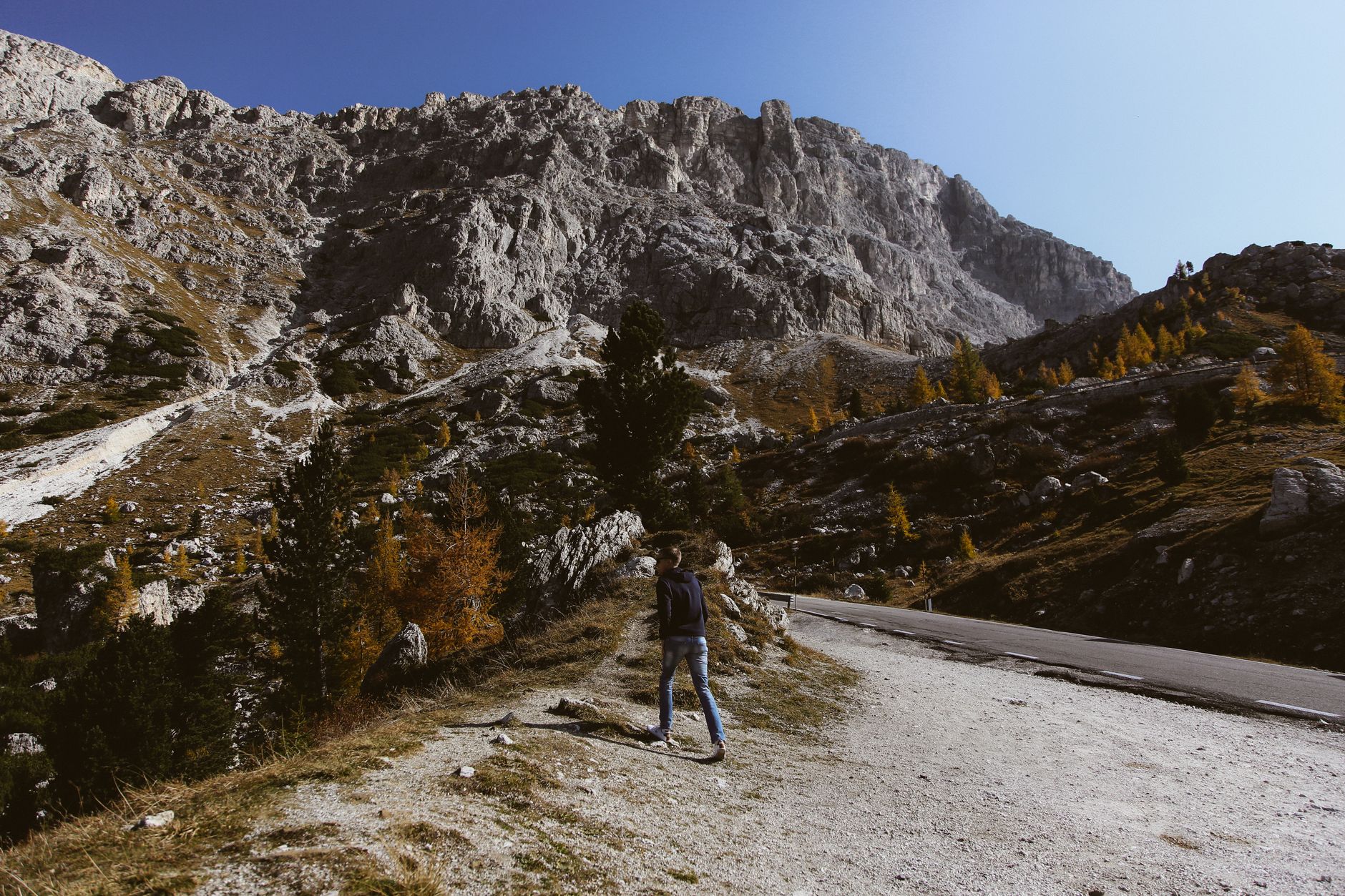
Rising vertically from alpine meadows like shattered cathedral towers, the pale limestone massif of the Dolomites possesses a geological drama that commands humility. Millions of years ago, these immense coral reefs lay beneath the Tethys Ocean; today, they catch the first pink light of dawn in a phenomenon locals call the Enrosadira.
To experience the massif away from automotive tourism, one must ascend on foot to the high passes between Val Gardena and the Ampezzo Valley, staying overnight at rustic mountain refuges (rifugios) perched on rocky precipices.
Rifugio Culture at 2,500 Meters
Life above the treeline adheres to strict, comforting rhythms. Electricity is solar-derived and conserved, tap water arrives cold from glacier springs, and dinner is served punctually at seven—frequently polenta topped with melted mountain cheese and wild chanterelles.
“Up here, the sky is not merely above you; it envelops you completely. When the valley fog fills the lower passes, you stand on an island above a silver sea.”
Hiker Clara Lindqvist notes that late September is the ideal window for solitude. Summer trekking crowds have departed, larch forests transform into blazing gold, and clear cold air renders distant peaks razor-sharp against the azure sky.
Preserving the High Alpine Fragility
With increasing global attention focused on mountain regions, local Alpine clubs (CAI) have implemented strict leave-no-trace protocols. Travelers are asked to remain exclusively on marked trails, carry all refuse back down to valley hubs, and honor quiet hours after nine in the evening.